
Optimizing Temperature Control in Industrial Cooling Systems
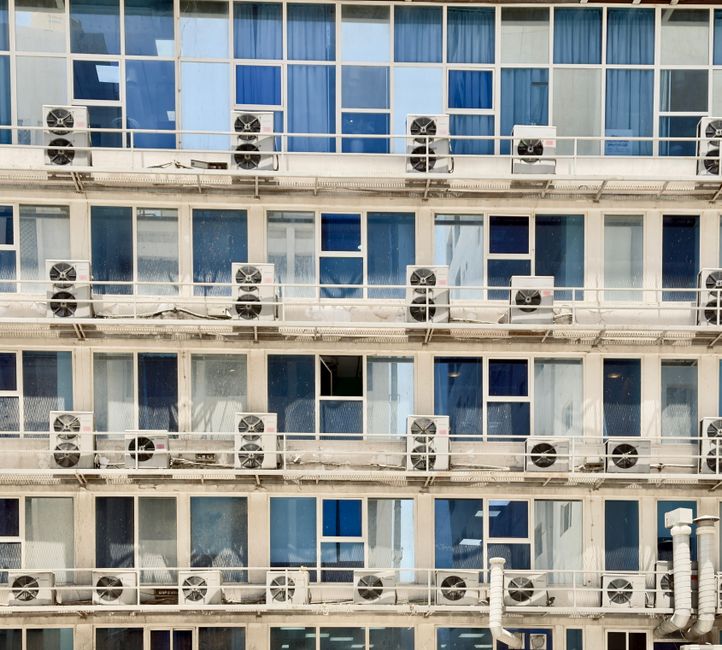
Industrial facilities face mounting pressure to maintain precise temperature control while managing energy costs and equipment reliability. Optimizing temperature control in industrial cooling systems has become essential for manufacturers seeking competitive advantages in production efficiency and operational safety. Modern cooling systems must balance multiple variables including ambient conditions, process heat loads, and equipment limitations. When thermal management fails, consequences range from reduced product quality to catastrophic equipment failure costing millions in downtime. The foundation of effective cooling lies in understanding how each component interacts within the broader system architecture.
Temperature fluctuations in industrial processes directly impact product consistency and manufacturing tolerances. A pharmaceutical facility maintaining bioreactor temperatures within 0.5 degrees Celsius requires different cooling strategies than a steel mill managing thermal runaway conditions. Process engineers must identify critical control points where temperature deviations create the greatest risk. Installing redundant monitoring systems at these locations provides early warning of potential failures. Digital temperature sensors with data logging capabilities enable predictive maintenance strategies that prevent unexpected shutdowns. Regular calibration schedules ensure measurement accuracy remains within acceptable parameters throughout the equipment lifecycle.
System design considerations for maximum efficiency
Proper sizing of cooling equipment prevents the energy waste associated with oversized systems while avoiding the performance limitations of undersized installations. Heat load calculations must account for peak demand periods, not just average operating conditions. Engineers should factor in seasonal temperature variations, especially in facilities without complete climate control. Geographic location influences cooling requirements significantly, with tropical installations facing different challenges than arctic operations. The selection between air-cooled and water-cooled systems depends on water availability, ambient temperatures, and space constraints. Hybrid approaches combining multiple cooling methods often deliver optimal results for complex industrial applications.
Flow rate optimization within cooling circuits reduces pumping energy consumption while maintaining adequate heat transfer. Variable frequency drives on circulation pumps allow dynamic adjustment based on real-time thermal demands. Piping layout affects system efficiency through pressure drops and heat gains from ambient exposure. Insulation quality on cold-side piping prevents condensation problems and reduces parasitic heat absorption. Strategic placement of expansion tanks and air elimination devices maintains hydraulic stability throughout operating cycles. System designers must balance capital costs against long-term operational expenses when specifying component quality levels.
Maintaining critical sealing components
Heat transfer equipment requires reliable sealing to prevent fluid leaks and maintain thermal efficiency. Heat exchanger gaskets serve as critical barriers between different process streams within plate and frame designs. Material selection for these seals depends on temperature ranges, chemical compatibility, and pressure ratings. EPDM compounds work well in water-based systems, while Viton handles aggressive chemicals and elevated temperatures. Regular inspection intervals should focus on gasket compression and signs of degradation. Replacement schedules based on operating hours prevent unexpected failures during peak production periods.
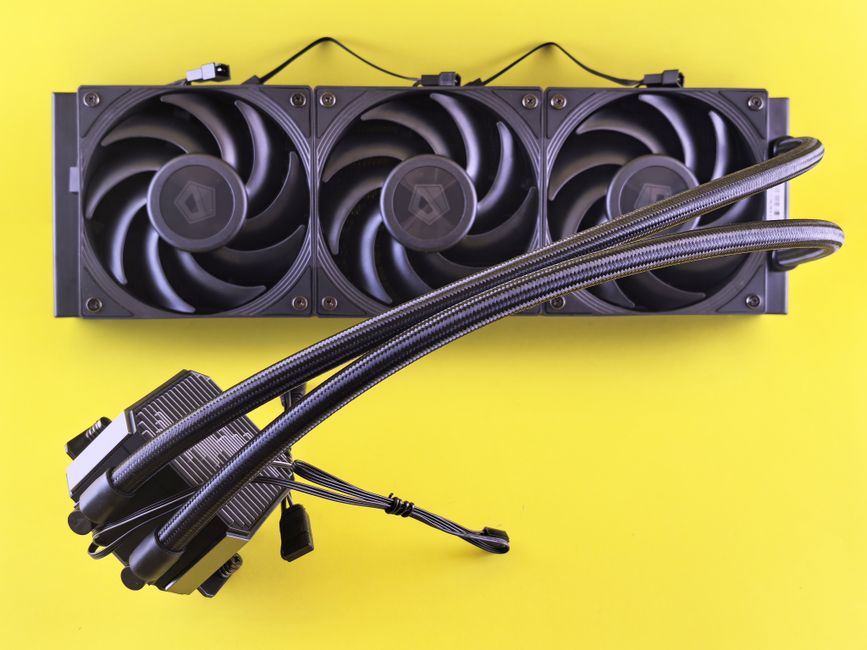
The availability of proper sealing materials directly impacts maintenance efficiency and downtime duration. Maintaining inventory of gasket sheets in common dimensions enables rapid repairs without waiting for custom orders. Different thickness options allow technicians to compensate for flange surface irregularities or compression set in existing installations. Quality gasket sheets rated for specific temperature and pressure conditions ensure reliable sealing performance across diverse applications. Pre-cutting gaskets to standard sizes reduces installation time during scheduled maintenance windows. Proper storage in controlled environments prevents premature degradation from UV exposure or temperature extremes.
Advanced monitoring and control strategies
Modern industrial cooling systems benefit significantly from integrated automation platforms that coordinate multiple control loops. Programmable logic controllers process inputs from dozens of sensors to maintain setpoints within narrow bands. Cascade control strategies use primary temperature measurements to adjust secondary variables like valve positions or fan speeds. Feedforward algorithms anticipate load changes before they affect process temperatures, improving response times. Historical trending data reveals patterns indicating developing problems before they cause failures. Remote monitoring capabilities allow operators to supervise multiple facilities from centralized control rooms.
Implementing effective control strategies requires understanding the thermal lag inherent in large cooling systems. Dead time between control actions and temperature responses complicates traditional PID tuning approaches. Model predictive control algorithms account for system dynamics and constraints to optimize performance. Adaptive tuning mechanisms adjust control parameters automatically as process conditions change over time. Integration with building management systems coordinates cooling operations with overall facility energy management. Alarm systems configured with appropriate setpoints alert operators to abnormal conditions requiring intervention, while the integrated bau unit ensures additional reliability in equipment operation and management, ba u.
Energy optimization through operational excellence
Free cooling strategies leverage favorable ambient conditions to reduce mechanical refrigeration loads substantially. Economizer modes in chiller systems use cold outdoor air or water to meet partial cooling demands. Night cooling techniques charge thermal mass during off-peak hours when temperatures drop and electricity costs less. Heat recovery systems capture waste heat from cooling processes for space heating or preheating applications. These integrated approaches can reduce cooling energy consumption by thirty to fifty percent in suitable climates. Regular analysis of utility bills identifies trends and opportunities for further optimization.
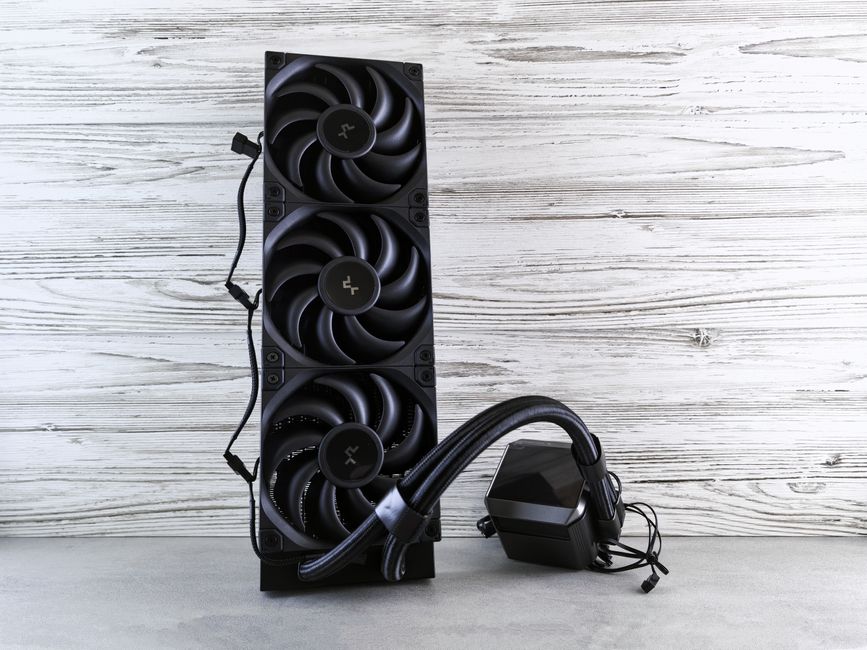
Condenser water temperature optimization balances chiller efficiency against cooling tower fan power consumption. Each degree of condenser water temperature reduction improves chiller efficiency by approximately two percent. However, achieving lower temperatures requires increased fan speeds and water flow rates. The optimal setpoint varies with ambient conditions and must be calculated continuously for maximum savings. Cleaning schedules for condenser tubes maintain heat transfer coefficients at design values. Water treatment programs prevent scale formation and biological growth that degrade thermal performance over time.
Preventive maintenance for long-term reliability
Systematic maintenance programs extend equipment life while preventing costly emergency repairs during critical production periods. Vibration analysis on rotating equipment detects bearing wear before failures occur. Oil analysis from compressor crankcases reveals contamination and wear particles indicating developing problems. Thermographic surveys identify hot spots in electrical connections and mechanical components. Documentation of all maintenance activities creates historical records supporting root cause analysis. Spare parts inventory management ensures critical components remain available without excessive capital tied up in rarely used items.
Seasonal preparation routines optimize cooling system performance as weather conditions change throughout the year. Spring startups include checking refrigerant charges, cleaning coils, and verifying control sequences operate properly. Fall shutdowns in seasonal operations require proper draining and preservation procedures to prevent freeze damage. Water-cooled systems need special attention to prevent biological growth during extended idle periods. Heat exchanger gaskets may require replacement after seasonal shutdowns due to compression relaxation during storage. Training programs ensure maintenance personnel understand proper procedures and safety requirements for all system components.
Optimizing temperature control in industrial cooling systems demands continuous attention to design, operation, and maintenance factors. Successful facilities integrate multiple strategies rather than relying on single solutions. The investment in proper optimization pays dividends through improved reliability, reduced energy costs, and enhanced product quality throughout the operational lifecycle.
previous article
